
Best Quality Saffron from Iran | Direct Exporter & Wholesale Supply
Introduction
Best Quality Saffron from Iran is recognized around the world as the finest saffron available for culinary, medicinal, and commercial applications. Known as “Red Gold,” Persian saffron has earned an outstanding reputation thanks to its vibrant crimson threads, exceptional aroma, intense coloring strength, and remarkable purity. For centuries, Iran has remained the heart of global saffron cultivation, producing more than 90% of the world’s saffron and supplying premium-quality products to international markets.
The growing demand for authentic Iranian saffron is driven by consumers, chefs, food manufacturers, pharmaceutical companies, and cosmetic brands seeking consistent quality and reliable sourcing. Unlike lower-grade saffron, premium Persian saffron is carefully hand-harvested, naturally dried, and selected to meet strict international quality standards.
Choosing Best Quality Saffron from Iran means more than purchasing a spice. It means selecting a product with a rich cultural heritage, exceptional agricultural expertise, and internationally recognized quality. Whether you are importing saffron for wholesale distribution, retail packaging, private labeling, or food production, understanding the factors that define premium Iranian saffron will help you make informed purchasing decisions.
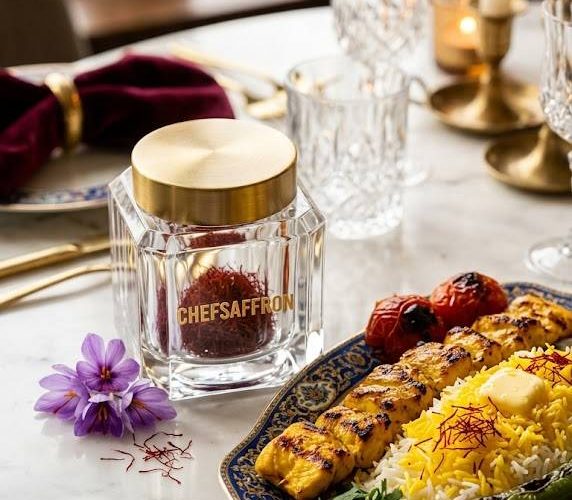
At Chef Saffron, we work directly with experienced Iranian producers to supply authentic Persian saffron for customers around the world. Every batch is carefully selected to ensure purity, freshness, and consistent quality suitable for both commercial and culinary applications.
This comprehensive guide explains everything you need to know about premium Iranian saffron, including quality standards, ISO 3632 analysis, saffron grades, harvesting methods, wholesale purchasing, export services, storage recommendations, and the many reasons why Iranian saffron continues to dominate the global market.
Why Best Quality Saffron from Iran Is Trusted Worldwide
Iranian saffron has become the global benchmark for premium saffron because of its superior quality, traditional cultivation methods, and ideal growing conditions. Every year, thousands of international buyers choose Persian saffron because it consistently delivers outstanding color, aroma, and flavor.
Several factors contribute to the worldwide reputation of Best Quality Saffron from Iran.
Ideal Climate and Soil
Iran’s saffron-growing regions enjoy dry summers, cold winters, and mineral-rich soil that create the perfect environment for Crocus sativus flowers. These natural conditions allow saffron stigmas to develop high concentrations of valuable compounds responsible for quality.
Unlike many agricultural products that rely heavily on industrial farming methods, saffron cultivation in Iran remains largely traditional. Farmers carefully manage irrigation, harvesting, and drying to preserve the natural characteristics of every saffron thread.
Centuries of Farming Experience
Saffron cultivation has been part of Persian agriculture for hundreds of years. Knowledge has been passed from one generation to the next, enabling farmers to refine harvesting techniques and maintain exceptional quality standards.
Every saffron flower blooms for only a short period during autumn. Harvesting must begin before sunrise to protect the delicate stigmas from sunlight and preserve their natural aroma and coloring compounds.
Because every flower contains only three red stigmas, producing one kilogram of premium saffron requires harvesting approximately 150,000 to 170,000 flowers entirely by hand.
Superior Coloring Strength
One of the most important characteristics of Best Quality Saffron from Iran is its exceptional coloring strength.
The natural pigment crocin is responsible for producing the rich golden color associated with premium saffron dishes.
Higher crocin levels provide several advantages:
- Better coloring performance
- Less saffron required per recipe
- Higher commercial value
- More consistent food production
For restaurants and food manufacturers, strong coloring strength means greater efficiency while maintaining excellent product quality.
Rich Aroma
Persian saffron is famous for its distinctive fragrance created primarily by safranal.
Authentic Iranian saffron produces a warm, floral aroma with subtle honey-like notes that cannot be replicated artificially.
Professional chefs around the world rely on premium Iranian saffron because its aroma enhances:
- Rice dishes
- Seafood
- Desserts
- Tea
- Coffee
- Pastries
- Sauces
- Ice cream
The unique fragrance makes Persian saffron one of the most valuable spices in international gastronomy.
Exceptional Purity
One of the greatest concerns for international buyers is saffron adulteration.
Choosing Best Quality Saffron from Iran from a trusted supplier helps ensure that the product contains only genuine saffron stigmas without artificial coloring, added fibers, or foreign materials.
Reliable exporters apply strict quality-control procedures throughout harvesting, cleaning, grading, and packaging to maintain product integrity.
Global Demand Continues to Grow
Today, Iranian saffron is exported to dozens of countries where it is used across multiple industries, including:
- Gourmet food production
- Luxury restaurants
- Herbal products
- Nutritional supplements
- Cosmetics
- Pharmaceuticals
- Specialty retail
- Premium gift packaging
As consumer awareness of authentic saffron continues to increase, demand for premium Persian saffron is expected to remain strong in international markets.
Understanding ISO 3632: The International Standard for Premium Saffron
When purchasing saffron for retail, wholesale, or industrial use, quality verification is essential. One of the most trusted methods of evaluating saffron quality is ISO 3632, the internationally recognized standard developed to classify saffron based on scientific laboratory analysis.
For professional buyers, importers, distributors, and food manufacturers, understanding ISO 3632 helps ensure that the saffron they purchase meets internationally accepted quality requirements.
Unlike visual inspection alone, ISO 3632 evaluates saffron using measurable laboratory tests that determine color strength, aroma, flavor, moisture content, and purity. These tests allow buyers to compare products objectively and reduce the risk of purchasing adulterated or low-grade saffron.
What Does ISO 3632 Measure?
ISO 3632 focuses on three naturally occurring compounds that determine saffron quality.
Crocin – Coloring Strength
Crocin is the compound responsible for saffron’s rich golden-yellow color.
The higher the crocin value, the stronger the coloring power. Premium Iranian saffron is known for its high crocin content, allowing chefs and food manufacturers to use smaller quantities while achieving vibrant color.
High crocin levels are especially important for:
- Restaurants
- Food manufacturers
- Beverage producers
- Confectionery companies
- Rice and spice blends
Safranal – Aroma
Safranal creates saffron’s characteristic floral aroma.
A well-balanced safranal level indicates proper drying and storage conditions. Too little may suggest poor processing, while excessive levels can indicate over-drying or aging.
Fresh Iranian saffron offers a pleasant, natural aroma without any artificial or chemical smell.
Picrocrocin – Taste
Picrocrocin is responsible for saffron’s distinctive slightly bitter taste.
This compound contributes to the authentic flavor profile that distinguishes genuine saffron from artificial substitutes or adulterated products.
Premium Persian saffron maintains balanced picrocrocin values through careful harvesting and drying methods.
Moisture Content
Moisture is another important quality factor.
Properly dried saffron retains its aroma and coloring ability for a longer period while reducing the risk of mold or spoilage during storage and international transportation.
Grades of Iranian Saffron
Iran produces several saffron grades to meet the needs of different industries and markets. Understanding these grades helps buyers choose the right product based on quality, appearance, and intended use.
Super Negin Saffron
Super Negin is considered one of the finest saffron grades available.
Characteristics include:
- Long, thick red threads
- No yellow or white style
- Excellent coloring strength
- Strong natural aroma
- Premium appearance
- Carefully hand-selected
Super Negin saffron is widely used for luxury retail products, gourmet restaurants, premium gift boxes, and international export markets.
Negin Saffron
Negin saffron is one of the most popular commercial grades.
It offers:
- Beautiful long red threads
- High coloring power
- Excellent aroma
- Consistent quality
- Competitive wholesale pricing
Many distributors and retailers prefer Negin saffron because it offers an excellent balance between quality and value.
Sargol Saffron
Sargol consists only of the red stigma portion of the flower.
Advantages include:
- Pure red threads
- Strong aroma
- High coloring strength
- Easy grinding
- Popular among consumers
Because it contains only the red section, Sargol is commonly used in households, restaurants, and premium spice blends.
Pushal Saffron
Pushal saffron includes a small yellow section attached to the red stigma.
Benefits include:
- Natural appearance
- Good aroma
- Reliable coloring
- Attractive pricing
Many traditional markets prefer Pushal because the attached style provides additional visual authenticity.
Bunch (Dasteh) Saffron
Bunch saffron contains the complete stigma with yellow style attached.
Although it has lower coloring strength than premium grades, it remains popular in some regional markets where traditional presentation is preferred.
How to Identify Authentic Iranian Saffron
As global demand continues to grow, counterfeit saffron has become an increasing concern. Buyers should understand how to distinguish genuine saffron from fake or adulterated products.
Examine the Thread Shape
Authentic saffron threads have a trumpet-shaped end that gradually widens toward the top.
Uniform strands with identical sizes may indicate artificial production.
Check the Color
Premium Persian saffron should display:
- Deep crimson red threads
- Minimal yellow portions (depending on grade)
- No artificial coloring
- No excessive orange fibers
Very bright or unusually glossy threads may indicate added dyes.
Evaluate the Aroma
Real saffron has a unique fragrance combining floral, earthy, and honey-like notes.
Artificial saffron often smells sweet, chemical, or lacks aroma altogether.
Water Test
When genuine saffron is placed in warm water:
- The threads slowly release a golden-yellow color.
- The threads remain red after soaking.
- Coloring occurs gradually rather than instantly.
Fake saffron may release color immediately or lose its original appearance.
Laboratory Verification
The safest method for commercial buyers is requesting laboratory analysis and quality documentation based on ISO 3632.
Professional exporters should be able to provide quality reports upon request.
Why Premium Persian Saffron Costs More
Many first-time buyers wonder why authentic Iranian saffron is one of the world’s most expensive spices.
Several factors explain its value.
Hand Harvesting
Every saffron flower must be picked manually.
Harvesting takes place during a very short flowering season, usually lasting only two to three weeks each year.
Extremely Low Yield
Approximately 150,000 to 170,000 flowers are required to produce just one kilogram of dried saffron.
This makes saffron one of the most labor-intensive agricultural products in the world.
Careful Processing
After harvesting, each stigma is separated by hand before undergoing a carefully controlled drying process.
Improper drying can reduce aroma, flavor, and coloring strength.
Strict Quality Selection
Premium export-quality saffron undergoes grading, cleaning, inspection, and packaging before reaching international buyers.
Only the highest-quality batches qualify for premium export markets.
Wholesale Saffron from Iran: A Complete Buying Guide
As the world’s leading producer of saffron, Iran supplies premium-quality saffron to distributors, importers, food manufacturers, retailers, and hospitality businesses across the globe. Choosing the Best Quality Saffron from Iran is not only about purchasing a premium spice—it is about establishing a reliable supply chain that guarantees authenticity, consistent quality, and long-term value.
Whether you are a first-time importer or an established wholesaler, understanding the wholesale buying process can help you avoid common mistakes and build a successful business relationship with a trusted supplier.
Define Your Business Requirements
Before placing an order, identify exactly how the saffron will be used. Different industries require different grades and packaging solutions.
For example:
- Restaurants often prefer Negin or Sargol saffron because of their excellent coloring strength and aroma.
- Retail brands usually require attractive consumer packaging with customized labeling.
- Food manufacturers often purchase bulk quantities for industrial production.
- Pharmaceutical and cosmetic companies may require laboratory-tested saffron with documented quality analysis.
Understanding your market allows you to choose the most suitable saffron grade while controlling costs.
Request Quality Documentation
A professional supplier should be able to provide documentation that verifies product quality and origin.
Important documents may include:
- ISO 3632 laboratory analysis
- Certificate of Origin
- Quality Control Report
- Food Safety Documentation
- Export Documentation (when applicable)
These documents help buyers confirm authenticity and simplify customs procedures in many countries.
Packaging Options for International Buyers
Proper packaging protects saffron from moisture, light, heat, and contamination during transportation.
Common packaging formats include:
Bulk Packaging
Designed for wholesalers and food manufacturers.
Typical sizes:
- 250 g
- 500 g
- 1 kg
- Larger commercial quantities
Bulk packaging is cost-effective and suitable for businesses that repackage saffron under their own brand.
Retail Packaging
Suitable for supermarkets, specialty stores, and online retailers.
Common package sizes:
- 0.5 g
- 1 g
- 2 g
- 5 g
- 10 g
Retail packaging can be customized with private-label branding and multilingual product information.
Luxury Gift Packaging
Premium gift boxes are increasingly popular in international markets.
Luxury packaging enhances product presentation and is ideal for:
- Corporate gifts
- Gourmet food collections
- Premium retail stores
- Holiday gift sets
Why Buy Directly from an Iranian Saffron Exporter?
Purchasing directly from an experienced Iranian exporter offers significant advantages over buying through multiple intermediaries.
Authentic Product Origin
Direct exporters source saffron from trusted farms and production regions within Iran, ensuring authenticity and traceability.
Better Price Stability
Working directly with the supplier reduces unnecessary costs added by brokers and resellers.
This helps businesses maintain competitive pricing while protecting profit margins.
Consistent Quality
Reliable exporters implement strict quality-control procedures during harvesting, grading, packaging, and shipping.
Consistency is especially important for restaurants, retailers, and manufacturers that depend on repeat orders.
Flexible Order Quantities
Professional exporters usually support businesses of different sizes by offering both small and large wholesale orders.
This flexibility allows companies to scale their purchases as demand grows.
International Shipping Experience
Exporting saffron requires proper documentation, secure packaging, and knowledge of international logistics.
An experienced exporter can simplify the shipping process and reduce the risk of delays or product damage.
Private Label Saffron Solutions
Many international businesses prefer selling saffron under their own brand name.
Private labeling allows companies to build brand recognition while sourcing premium saffron directly from Iran.
Private-label services may include:
- Custom packaging
- Logo printing
- Multilingual labels
- Barcode integration
- Premium gift boxes
- Food-grade containers
Private-label saffron is an excellent option for retailers, supermarkets, gourmet food shops, and online businesses.
Sustainable Saffron Farming in Iran
Sustainability has become an important consideration for buyers worldwide.
Traditional Iranian saffron farming naturally supports sustainable agriculture because:
- Harvesting is performed manually.
- Water consumption is relatively low compared to many crops.
- The plant is perennial and can produce flowers for several years.
- Most farming practices rely on traditional agricultural knowledge.
Supporting responsible saffron producers helps preserve local farming communities while promoting environmentally conscious agriculture.
How to Store Premium Persian Saffron Correctly
Proper storage is essential for maintaining the aroma, flavor, and coloring strength of Best Quality Saffron from Iran.
To preserve quality:
- Store saffron in an airtight glass or metal container.
- Keep it in a cool, dry place.
- Avoid exposure to sunlight.
- Protect it from humidity.
- Keep it away from strong-smelling spices or chemicals.
When stored correctly, premium saffron can maintain its quality for an extended period.
Common Mistakes When Buying Saffron
Many buyers make avoidable mistakes that can lead to lower quality or financial loss.
Avoid these common issues:
Buying Only Based on Price
Extremely low prices often indicate lower quality, mixed products, or counterfeit saffron.
Ignoring Laboratory Analysis
Without laboratory verification, buyers cannot accurately evaluate saffron quality.
Choosing Unknown Suppliers
Always work with suppliers that have experience, transparent communication, and reliable product information.
Overlooking Packaging Quality
Improper packaging can reduce freshness during storage and transportation.
Not Understanding Saffron Grades
Each grade serves a different purpose. Selecting the wrong grade may increase costs or reduce product performance.
Health Benefits of Best Quality Saffron from Iran
Beyond its remarkable culinary value, Best Quality Saffron from Iran has been appreciated for centuries in traditional cultures and is now the subject of modern scientific research. Premium Iranian saffron contains naturally occurring bioactive compounds, including crocin, crocetin, safranal, and picrocrocin, which contribute to its unique characteristics.
While saffron should not be considered a substitute for medical treatment, research suggests that its natural compounds may play a role in supporting overall health when consumed as part of a balanced diet.
Rich Source of Natural Antioxidants
Iranian saffron contains antioxidant compounds that help protect cells from oxidative stress caused by free radicals. Antioxidants are widely recognized for their importance in maintaining overall wellness and supporting healthy aging.
Supports Emotional Well-Being
Several scientific studies have explored the relationship between saffron compounds and emotional wellness. Although research is ongoing, saffron has traditionally been used as part of a healthy lifestyle in many cultures.
May Support Eye Health
Crocin and crocetin, two important compounds found in premium Persian saffron, have attracted scientific interest because of their antioxidant properties. Researchers continue to study their potential role in supporting normal eye function.
Culinary and Nutritional Value
In addition to its potential health benefits, saffron enhances food with its distinctive aroma, flavor, and natural golden color. It is widely used in rice dishes, seafood, soups, desserts, tea, coffee, baked goods, and gourmet recipes around the world.
Why Choose Chef Saffron?
Selecting the right supplier is just as important as selecting the right saffron grade. At Chef Saffron, we are committed to providing authentic Persian saffron that meets the expectations of international buyers, distributors, retailers, restaurants, and food manufacturers.
Our goal is to build long-term relationships by supplying premium Iranian saffron with consistent quality and professional service.
What Makes Chef Saffron Different?
- Carefully sourced premium Persian saffron
- Direct supply from Iran
- Strict quality selection
- Wholesale and retail solutions
- International export support
- Secure food-grade packaging
- Private-label services
- Responsive customer support
- Reliable shipping for global markets
- Commitment to authenticity and transparency
Whether you are purchasing saffron for your business or personal use, Chef Saffron aims to deliver products that reflect the rich heritage and exceptional quality of Iranian saffron.
Frequently Asked Questions About Iranian Saffron
1. Why is Iranian saffron considered the best in the world?
Iranian saffron is valued for its deep red threads, strong coloring strength, rich aroma, and traditional harvesting methods. Iran also produces the majority of the world’s saffron, making it the leading source of premium Persian saffron.
2. What is ISO 3632?
ISO 3632 is the internationally recognized quality standard used to evaluate saffron based on color strength (crocin), aroma (safranal), taste (picrocrocin), and other quality indicators.
3. Which saffron grade is the highest quality?
Super Negin is generally regarded as one of the highest-quality saffron grades because of its long, thick, deep-red threads and excellent coloring power.
4. How can I identify genuine Iranian saffron?
Authentic saffron has trumpet-shaped red stigmas, a distinctive floral aroma, and gradually releases a golden-yellow color when placed in warm water. Purchasing from a trusted supplier is the best way to ensure authenticity.
5. What is the difference between Negin and Sargol saffron?
Negin saffron usually has longer and thicker threads, while Sargol saffron contains only the red stigma portion and is highly valued for its purity and strong color.
6. Can I buy saffron directly from Iran?
Yes. Many international businesses purchase saffron directly from Iranian exporters for wholesale distribution, food production, retail packaging, and private-label brands.
7. How should saffron be stored?
Store saffron in an airtight container in a cool, dry place away from sunlight, humidity, and strong odors to maintain its quality.
8. Does saffron expire?
When stored properly, saffron retains its quality for a long time, although its aroma and coloring strength may gradually decrease over time.
9. What industries use wholesale saffron?
Wholesale saffron is widely used in the food industry, hospitality, beverage production, cosmetics, nutraceuticals, herbal products, and premium retail packaging.
10. Why choose Chef Saffron as your supplier?
Chef Saffron focuses on authentic Iranian saffron, strict quality selection, reliable international supply, professional packaging, and long-term customer partnerships.
Conclusion
Best Quality Saffron from Iran represents far more than a premium spice—it reflects centuries of agricultural expertise, careful hand harvesting, and a commitment to quality that has earned worldwide recognition. From its vibrant color and rich aroma to its exceptional purity and versatility, Iranian saffron remains the preferred choice for chefs, food manufacturers, wholesalers, retailers, and international importers.
Understanding saffron grades, ISO 3632 quality standards, proper storage methods, and reliable sourcing helps buyers make informed decisions and choose products that meet both commercial and culinary expectations.
At Chef Saffron, we are proud to supply authentic Persian saffron directly from Iran with a focus on quality, transparency, and long-term partnerships. Whether you are looking for premium saffron for retail, wholesale distribution, private-label branding, or international export, our team is committed to delivering products that meet the highest standards.
If you are searching for the Best Quality Saffron from Iran, Chef Saffron is ready to help you discover authentic Persian saffron backed by reliable service, professional packaging, and trusted global supply.