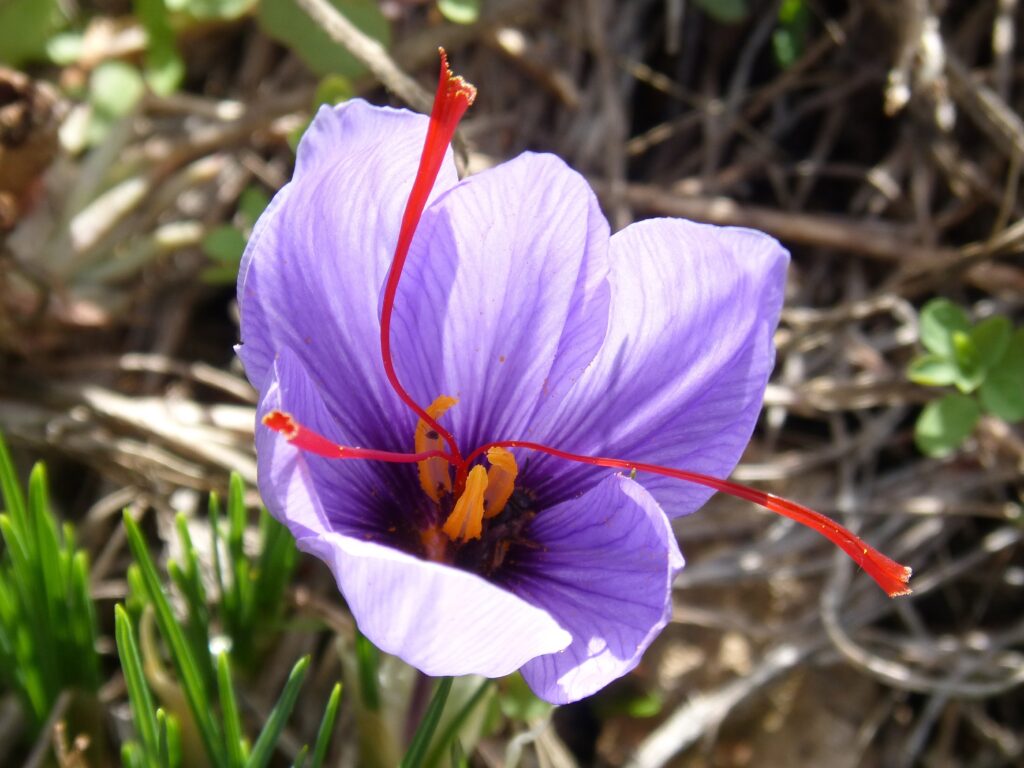
Super Negin Qaenat Saffron: Why Global Importers Choose Iran's Premium Export-Grade Saffron
Super Negin Qaenat Saffron: Why Global Importers Choose Iran's Premium Export-Grade Saffron
Super Negin Qaenat Saffron: Why Global Importers Choose Iran’s Premium Export-Grade Saffron
Introduction
When sourcing saffron for international markets, quality is only one part of the decision. Professional buyers also consider consistency, traceability, food safety compliance, and the supplier’s ability to deliver reliable shipments over time.
For importers, food manufacturers, private-label brands, and hospitality companies, these factors often determine whether a supplier becomes a long-term business partner.
Among the many saffron-producing regions in Iran, Qaenat has earned a strong reputation for producing premium saffron with consistent quality. One of its most sought-after grades is Super Negin saffron, recognized for its long red threads, high coloring strength, natural aroma, and suitability for international markets.
In this guide, you’ll learn what makes Super Negin Qaenat saffron different, how its quality is evaluated, and why it is widely preferred by professional buyers around the world.

Why Iranian Saffron Leads the Global Market
Iran produces more than 90% of the world’s saffron and has decades of experience supplying international markets. While production volume is significant, the country’s reputation is primarily built on the quality of its saffron.
High-quality Iranian saffron is valued for:
- Strong natural coloring strength
- Distinctive aroma
- Balanced flavor
- Careful harvesting and processing
- Availability for commercial-scale supply
These characteristics make Iranian saffron suitable for food manufacturers, gourmet retailers, pharmaceutical companies, and premium hospitality businesses.
Why Qaenat Is Considered a Premium Saffron Origin
Not all saffron-growing regions produce identical results. Climate, soil composition, cultivation practices, and post-harvest handling all influence the final product.
Qaenat, located in South Khorasan Province, benefits from several natural advantages that support high-quality saffron production.
Favorable Climate
Cold winters encourage healthy bulb development, while dry summers reduce moisture-related risks. Large temperature differences between day and night also contribute to the formation of the compounds responsible for saffron’s color, aroma, and taste.
Mineral-Rich Soil
The region’s well-drained soil supports healthy plant growth and helps produce saffron with consistent quality. Environmental conditions and careful agricultural practices also contribute to meeting the quality expectations of international buyers.
Traditional Expertise
Saffron cultivation in Qaenat has been refined over generations. Farmers rely on practical experience to determine the right harvest time, separate stigmas by hand, and follow drying methods designed to preserve the product’s natural characteristics.
What Is Super Negin Saffron?
Super Negin is widely regarded as one of the highest commercial grades of saffron available for export. It is selected according to strict visual and quality criteria and is intended for buyers who require premium presentation and consistent performance.
Typical characteristics include:
- Fully red saffron threads
- No yellow or white style attached
- Long, thick, and unbroken stigmas
- Uniform appearance
- High coloring strength
- Rich natural aroma
- Authentic saffron flavor
These features make Super Negin particularly suitable for premium retail packaging, gourmet food production, and private-label brands.
What Makes Super Negin Different from Other Saffron Grades?
One of the most common questions among international buyers is whether the different saffron grades represent differences in quality or simply differences in appearance.
The answer is both.
Saffron grades are determined by several factors, including thread structure, color uniformity, stigma length, purity, and overall presentation. While all authentic saffron comes from the same flower (Crocus sativus L.), grading reflects the selection and processing of the red stigmas after harvest.
For businesses that supply premium retail products or manufacture high-value food products, selecting the right grade can directly influence product quality, customer perception, and brand positioning.
Understanding the Main Iranian Saffron Grades

Iranian saffron is generally classified into several commercial grades, each designed for different market segments.
Super Negin
Super Negin is selected from the finest saffron threads and is recognized for its premium appearance and consistent quality.
Typical characteristics include:
- Long, thick, fully red threads
- Minimal broken stigmas
- Uniform size and color
- No yellow or white style attached
- Excellent visual presentation
- High coloring performance
Because of its appearance and quality consistency, Super Negin is frequently chosen by luxury food brands, gourmet retailers, and private-label companies.
Negin
Negin saffron also consists of high-quality red stigmas but may show slightly more variation in thread thickness or length.
It remains an excellent choice for many commercial applications where premium quality is required but visual uniformity is slightly less critical.
Sargol
Sargol consists only of the red part of the stigma, but the threads are generally shorter because they separate naturally during processing.
Although Sargol often performs well in terms of coloring strength, its shorter appearance makes it less suitable for luxury packaging compared with Super Negin.
Pushal
Pushal saffron contains both the red stigma and a small portion of the yellow style.
Many domestic markets use Pushal because it offers a balance between quality and value. However, international buyers seeking premium presentation usually prefer fully red grades.
Why Professional Buyers Often Choose Super Negin
For commercial buyers, visual appearance is only one consideration.
The grade also affects:
- Retail presentation
- Consumer perception
- Packaging design
- Product consistency
- Brand positioning
A premium product deserves a premium raw material.
Uniform saffron threads help create a consistent customer experience, particularly in luxury food packaging where appearance plays an important role.
Appearance vs Laboratory Quality
Many buyers assume that longer saffron threads automatically indicate better quality.
In reality, appearance alone cannot determine saffron quality.
Professional buyers evaluate saffron using both visual inspection and laboratory analysis.
Visual inspection typically includes:
- Thread length
- Uniformity
- Purity
- Presence of yellow styles
- Broken threads
- Foreign matter
Laboratory analysis provides objective measurements that cannot be assessed by appearance alone.
These include:
- Coloring strength (Crocin)
- Aroma (Safranal)
- Bitterness and flavor (Picrocrocin)
- Moisture content
- Microbiological safety
- Heavy metal content
The combination of visual grading and laboratory testing provides a more complete picture of product quality.
Why Consistency Matters More Than One Exceptional Batch
An excellent first shipment is valuable, but international trade depends on consistency over time.
Food manufacturers and distributors need confidence that future shipments will match previous deliveries in appearance, laboratory values, and processing quality.
Consistency reduces operational risks such as:
- Product reformulation
- Customer complaints
- Packaging inconsistencies
- Manufacturing delays
- Quality control issues
For this reason, experienced buyers often evaluate suppliers based on long-term performance rather than a single harvest.
Factors That Influence Premium Saffron Quality
Several stages of production affect the final quality of saffron.
These include:
Cultivation Practices
Healthy soil, responsible irrigation, and careful field management contribute to strong saffron plants and high-quality flowers.
Harvest Timing
Saffron flowers must be harvested during a short seasonal window. Delayed harvesting can reduce freshness and affect the quality of the stigmas.
Hand Separation
Removing the stigmas by hand helps preserve thread integrity and allows careful selection of premium-quality strands.
Controlled Drying
Drying is one of the most critical stages of saffron production.
Proper temperature control helps preserve:
- Natural pigments
- Aromatic compounds
- Flavor compounds
- Thread structure
Poor drying practices may reduce quality even when the harvested flowers are excellent.

Key Takeaway
Choosing the right saffron grade is not simply a matter of selecting the most expensive product. Professional buyers evaluate saffron based on a combination of appearance, laboratory results, processing quality, and long-term consistency.
For companies serving premium food markets, Super Negin offers a combination of visual appeal, quality consistency, and suitability for international trade that aligns with the expectations of many global buyers.
How Is Saffron Quality Measured? A Guide to ISO 3632 for International Buyers
When purchasing saffron in bulk, appearance alone is not enough to determine quality. Bright red threads and an attractive presentation may indicate careful grading, but they cannot confirm the product’s chemical composition, purity, or overall performance.
For this reason, professional buyers, food manufacturers, and importers rely on internationally recognized testing methods rather than visual inspection alone.
The most widely accepted benchmark for saffron quality is ISO 3632 , an international standard that provides objective criteria for evaluating saffron.
Understanding this standard helps buyers compare suppliers, verify laboratory reports, and make informed purchasing decisions.
What Is ISO 3632?
ISO 3632 is an international standard developed to evaluate saffron quality through laboratory analysis. Rather than relying on subjective opinions, it measures specific compounds that determine the product’s color, aroma, and taste.
For companies importing saffron into regulated markets, ISO 3632 provides a common technical language between buyers and suppliers.
Laboratory reports prepared according to this standard can support purchasing decisions and facilitate quality verification during international trade.
The Three Key Quality Indicators
ISO 3632 focuses on three naturally occurring compounds found in saffron.
1. Crocin: The Source of Color
Crocin is the natural carotenoid responsible for saffron’s distinctive golden-yellow color.
The concentration of crocin directly influences the coloring strength of saffron, making it one of the most important quality indicators for food manufacturers.
Products with higher coloring strength generally require smaller quantities to achieve the desired color in recipes and food production.
However, buyers should remember that coloring strength alone does not define overall quality. A complete evaluation also considers aroma, flavor, purity, and proper processing.
2. Safranal: The Characteristic Aroma
Safranal is the compound responsible for saffron’s recognizable fragrance.
Its concentration is influenced by several factors, including:
- Harvest timing
- Drying method
- Storage conditions
- Product age
Proper post-harvest handling helps preserve aroma throughout transportation and storage.
An authentic saffron aroma should be natural, clean, and free from burnt, moldy, or artificial odors.
3. Picrocrocin: The Source of Flavor
Picrocrocin gives saffron its characteristic slightly bitter taste.
Although consumers often focus on color, flavor is equally important for chefs, food manufacturers, and beverage producers.
Careful harvesting and controlled drying help maintain this naturally occurring compound, contributing to the authentic sensory profile expected from high-quality saffron.
Why Laboratory Testing Matters
International buyers often purchase hundreds of kilograms—or even several tons—of saffron each year.
At this scale, relying solely on appearance increases purchasing risk.
Laboratory analysis provides measurable information that helps buyers evaluate:
- Product consistency
- Compliance with specifications
- Suitability for food production
- Quality stability across multiple shipments
For many companies, laboratory documentation is an essential part of supplier qualification.
Beyond ISO 3632: Additional Quality Tests
Depending on the destination market, buyers may request additional analyses alongside ISO 3632.
Common tests include:
Moisture Content
Excess moisture can reduce shelf life and increase the risk of quality deterioration during storage.
Maintaining appropriate moisture levels helps preserve aroma, color, and product stability.
Microbiological Analysis
Food safety regulations often require testing for microbial contamination.
These analyses help verify that saffron has been processed and handled under hygienic conditions suitable for international food markets.
Heavy Metal Testing
Many importing countries require laboratory confirmation that agricultural products comply with established limits for heavy metals.
Testing supports regulatory compliance and strengthens buyer confidence.
Foreign Matter Inspection
Professional quality control also evaluates physical purity.
Inspectors check for:
- Yellow styles
- Plant residues
- Dust
- Foreign fibers
- Other unwanted materials
High-purity saffron is particularly important for premium retail products and private-label brands.
How Buyers Interpret Laboratory Reports
A laboratory report should be viewed as one component of a broader quality assessment.
Experienced importers typically evaluate several factors together, including:
- Laboratory analysis
- Product appearance
- Harvest season
- Origin
- Processing methods
- Packaging quality
- Supplier reliability
- Traceability documentation
This comprehensive approach helps reduce purchasing risks and supports long-term sourcing decisions.
Questions Buyers Should Ask Before Purchasing
Before placing a bulk order, professional buyers often request additional information from suppliers.
Useful questions include:
- Is a recent laboratory analysis available?
- Which standard was used for testing?
- What is the harvest year?
- Can the product origin be documented?
- How is the saffron dried and stored?
- What packaging options are available for export?
- Are representative samples available before shipment?
Clear answers to these questions help establish transparency and build confidence between buyer and supplier.
Why Transparency Creates Long-Term Business Relationships
International trade depends on trust as much as product quality.
Suppliers who provide detailed product information, laboratory reports, and traceability documentation make it easier for buyers to assess risk and meet regulatory requirements.
Transparency also supports stronger business relationships, particularly for companies seeking reliable long-term sourcing partners.
Key Takeaway
High-quality saffron is evaluated through a combination of visual grading, laboratory analysis, and consistent production practices.
For international buyers, understanding ISO 3632 and related quality tests provides a more reliable basis for comparing suppliers than appearance alone. By combining scientific analysis with transparent documentation, buyers can make more informed sourcing decisions and reduce uncertainty in global trade.
Export Packaging, Traceability, and Choosing a Reliable Saffron Supplier
Buying premium saffron is only the first step in the sourcing process. For international importers, maintaining product quality throughout transportation and ensuring complete supply chain transparency are equally important.
Even saffron with excellent laboratory results can lose its quality if it is packaged, stored, or transported incorrectly. For this reason, experienced buyers evaluate not only the product itself but also the supplier’s quality management system.
Why Export Packaging Matters
Saffron is highly sensitive to environmental conditions. Exposure to moisture, light, heat, or air can gradually affect its natural compounds, reducing aroma, coloring performance, and overall quality.
Professional export packaging is designed to minimize these risks during international shipping and long-term storage.
An effective packaging solution should:
- Protect the product from light exposure
- Reduce contact with oxygen
- Prevent moisture absorption
- Preserve the integrity of the saffron threads
- Be suitable for international transportation
The right packaging also helps maintain product presentation, particularly for businesses supplying premium retail markets.
Common Packaging Options for International Markets
Packaging requirements vary depending on the buyer’s business model and target market.
Bulk Packaging
Bulk packaging is commonly used by importers, distributors, and food manufacturers that repackage saffron under their own brands.
Typical bulk formats include vacuum-sealed pouches or food-grade containers designed to preserve product quality during shipping.
Retail Packaging
Retail-ready packaging is intended for direct sale to consumers.
Common options include:
- Metal tins
- Glass jars
- Premium gift boxes
- Branded retail containers
Retail packaging should combine product protection with an attractive presentation that reflects the brand’s market positioning.
The Importance of Traceability
Traceability has become an essential requirement in international food trade.
Buyers increasingly expect suppliers to provide clear information about where and how a product was produced.
For saffron, traceability may include:
- Region of cultivation
- Harvest season
- Processing facility
- Batch identification
- Laboratory test reports
This information helps businesses meet regulatory requirements while improving transparency throughout the supply chain.
Why Traceability Benefits Both Buyers and Suppliers
A transparent supply chain offers practical advantages beyond regulatory compliance.
For buyers, it supports:
- More confident purchasing decisions
- Easier quality verification
- Faster issue resolution if needed
- Better inventory management
For suppliers, traceability demonstrates professionalism and strengthens long-term business relationships.
Private Label Opportunities
Many international companies import saffron under their own brand rather than selling it under the producer’s name.
Private-label programs allow businesses to create products that reflect their own identity while sourcing from experienced producers.
A successful private-label partnership typically includes:
- Flexible packaging options
- Brand-specific labeling
- Batch consistency
- Reliable production schedules
- Documentation for international markets
For premium retail brands, consistent product quality is essential for maintaining customer confidence.
How to Choose a Reliable Iranian Saffron Supplier
Selecting a supplier should involve more than comparing prices.
Professional buyers generally evaluate several factors before establishing a long-term partnership.
Product Consistency
Reliable suppliers maintain consistent quality across multiple production batches rather than focusing only on a single shipment.
Consistency is particularly important for manufacturers that depend on standardized ingredients.
Quality Documentation
A professional supplier should be able to provide documentation that supports product quality and compliance.
Examples include:
- Laboratory reports
- Product specifications
- Harvest information
- Batch identification
- Export documentation
Clear documentation reduces uncertainty and simplifies purchasing decisions.
Communication and Responsiveness
Effective communication is an important part of international trade.
Suppliers who respond promptly, provide accurate information, and maintain clear communication throughout the purchasing process help reduce operational risks.
Export Experience
International logistics, customs requirements, and documentation can vary significantly between markets.
Working with suppliers experienced in export procedures can simplify shipping and reduce delays.
Common Challenges in Bulk Saffron Purchasing
Even experienced buyers may encounter challenges when sourcing saffron internationally.
Some of the most common include:
Inconsistent Quality
Variations between shipments can create problems for manufacturers and retail brands.
Choosing suppliers with standardized processing methods helps minimize this risk.
Limited Documentation
Insufficient product information may create uncertainty during import procedures or quality inspections.
Requesting documentation before placing an order helps avoid misunderstandings later.
Packaging Issues
Packaging that does not adequately protect saffron may affect product quality during transportation or storage.
Export packaging should always be selected according to shipping conditions and market requirements.
Price-Driven Purchasing
While competitive pricing is important, purchasing decisions based solely on cost may increase long-term risks.
Many buyers evaluate the overall value offered by a supplier, including product quality, consistency, documentation, and service.
Building Long-Term Supply Partnerships
Successful international trade is built on long-term cooperation rather than one-time transactions.
Buyers often seek suppliers who can provide:
- Consistent product quality
- Transparent communication
- Reliable documentation
- Flexible packaging solutions
- Stable supply capacity
- Ongoing technical support
Strong partnerships benefit both parties by improving planning, reducing uncertainty, and supporting sustainable business growth.
Key Takeaway
Premium saffron sourcing involves much more than selecting an attractive product. Packaging, traceability, documentation, supplier reliability, and long-term consistency all contribute to successful international trade.
For businesses operating in competitive food markets, evaluating suppliers through a comprehensive quality framework can help reduce risk, improve operational efficiency, and support long-term brand success.
Frequently Asked Questions About Super Negin Qaenat Saffron
What makes Super Negin different from other saffron grades?
Super Negin is distinguished by its long, thick, fully red stigmas with no attached yellow or white style. It is selected for its uniform appearance, high coloring strength, natural aroma, and suitability for premium retail packaging and international trade.
Is Super Negin always the best choice for every buyer?
Not necessarily.
The most suitable saffron grade depends on the intended application. Companies producing luxury retail products often prefer Super Negin because of its appearance, while food manufacturers may choose other grades depending on formulation requirements, processing methods, and budget.
Why is Qaenat considered an important saffron-producing region?
Qaenat has earned a strong reputation because of its favorable climate, suitable soil conditions, and long history of saffron cultivation.
These factors contribute to consistent production practices that are valued by many international buyers.
How can buyers verify saffron quality before placing an order?
Professional buyers usually request:
- Recent laboratory analysis
- Product specifications
- Representative samples
- Harvest information
- Batch identification
- Documentation related to product origin
Reviewing these documents helps buyers evaluate whether the product meets their technical and commercial requirements.
What is the role of ISO 3632?
ISO 3632 is an internationally recognized standard used to evaluate saffron based on measurable quality indicators such as coloring strength, aroma, and flavor.
It provides a consistent framework that allows buyers to compare products using standardized laboratory analysis.
How should saffron be stored?
To help preserve its natural properties, saffron should generally be stored:
- In airtight containers
- Away from direct sunlight
- In a cool, dry environment
- Away from strong odors and excessive humidity
Proper storage supports the preservation of color, aroma, and flavor over time.
Is laboratory testing necessary for every shipment?
Many professional buyers request laboratory reports for commercial shipments, particularly when importing into regulated markets or purchasing large quantities.
Testing requirements may vary depending on the destination country, customer specifications, and applicable food safety regulations.
Can Super Negin saffron be used for private-label brands?
Yes.
Its uniform appearance and premium presentation make it a popular choice for companies developing private-label saffron products.
Packaging, labeling, and product specifications can often be adapted to meet individual market requirements, depending on the supplier’s capabilities.
Final Thoughts
Selecting export-grade saffron involves much more than comparing prices or evaluating appearance.
Professional buyers typically consider multiple factors, including product consistency, laboratory verification, traceability, packaging, and supplier reliability. Together, these elements help reduce sourcing risks and support long-term business relationships.
Among Iran’s saffron-producing regions, Qaenat has developed a strong reputation for supplying high-quality saffron to international markets. When combined with transparent quality control, appropriate post-harvest processing, and documentation aligned with international expectations, Super Negin saffron can meet the requirements of many importers, food manufacturers, distributors, and premium retail brands.
Rather than focusing on a single quality indicator, successful sourcing decisions are based on a comprehensive evaluation of the product, the supplier, and the overall supply chain.
Key Takeaways
- Iran is the world’s largest saffron producer and a major supplier to international markets.
- Qaenat is widely recognized as one of Iran’s leading saffron-growing regions.
- Super Negin is valued for its long, fully red threads, uniform appearance, and premium presentation.
- ISO 3632 provides internationally recognized criteria for evaluating saffron quality.
- Laboratory testing, traceability, and proper packaging are important considerations for export-quality saffron.
- Long-term supplier reliability is often as important as product quality for professional buyers.
3 thoughts on “The Best Iranian Export Saffron in 2026 Guaranteed Super Negin Qaenat Saffron”
Very nice😍😍