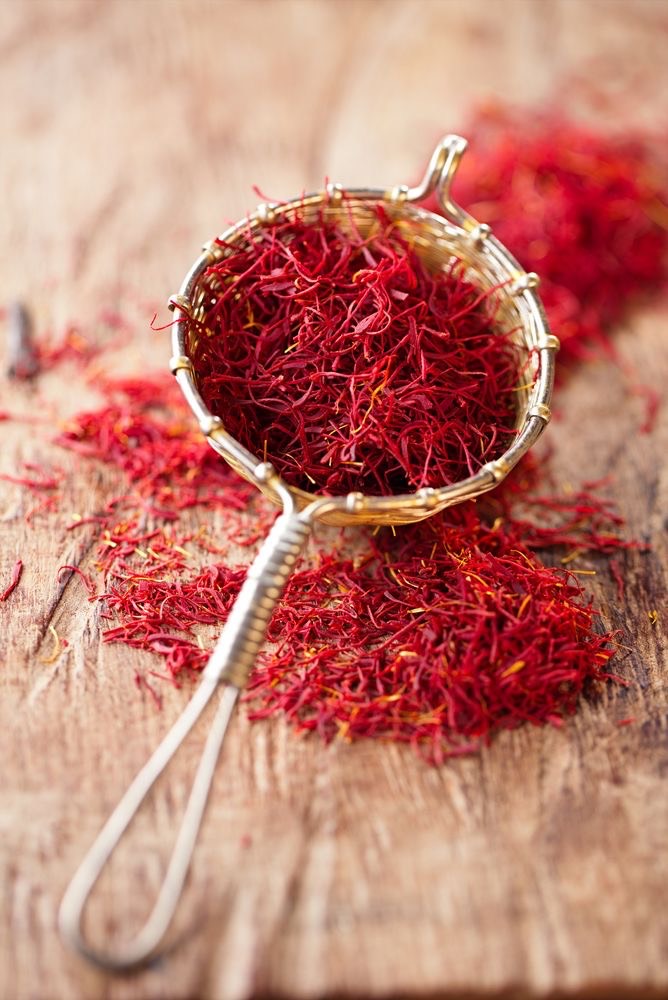
Exporting Iranian Saffron to the UAE: From Suitcase Trade to Dubai's Al Murshid Market (March 2025)
Exporting Iranian Saffron to the UAE: From Suitcase Trade to Dubai’s Al Murshid Market (March 2025)
Executive Summary (60-Second Read)
The UAE is not just a consumer market—it is the world’s largest re-export hub for Iranian saffron. Despite competition from Spain and Afghanistan, 95% of the saffron consumed in Dubai still originates from Iran. In this guide you will learn:
· Realistic selling prices : AED 5,000–13,500 per kilo depending on grade & packaging
· Maximum suitcase allowance : 100–200 grams (value under USD 80,000)
· Dubai customs duty : Only 5% of the declared value
· Best physical markets : Al Murshid (dominated by Iranians), Karama, Dubai Spice Souk
· Essential documents : Commercial card, Phytosanitary certificate, Standard certificate, Certificate of Origin
· Bestselling grades : Super Negin (AED 6,600+/kg) and Grade-1 Negin (AED 6,250+/kg)
Introduction: Why Dubai Is the Golden Gateway for Saffron
If you buy one kilo of Super Negin saffron in Iran for 230 million tomans, the same product sells for AED 13,500 (approx. 378 million tomans) in Dubai’s wholesale market. This is not a simple price gap—it is the economics of export.
The UAE, with a population of 9 million, is not the final consumer of all this saffron. Dubai is the window display of Iranian saffron to the world. Traders from Spain, Italy, and the USA come to Dubai instead of traveling to Mashhad or Qaenat. They buy top-grade Iranian saffron, package it luxuriously, and re-export it under their own brands globally.
In this article, we go beyond generalities. Based on live Dubai market prices and the experience of active traders, we will walk you from the very first step to your final sale.
Why the UAE Is Your Best Launchpad for Export
1. Booming Luxury Domestic Consumption
Emiratis don’t treat saffron as a mere spice; they use it in saffron coffee, biryani, luxury pastries, and special infusions. Wealthy tourists in Dubai are also high‑margin buyers of fancy saffron packaging.
2. Re‑export Powerhouse
Iranian saffron is bought in Dubai, repackaged to international standards, and shipped to Europe and America under third‑country brands. By selling in Dubai, you connect to the entire global market.
3. Low Tariffs & Flexible Regulations
Dubai’s customs duty on imported saffron is only 5%. Compared to Europe’s strict tariffs and standards, Dubai is a low‑risk training market.
4. Iranian‑Focused Specialised Markets
Dubai’s Al Murshid Market is almost entirely run by Iranian traders. Both buyer and seller speak the same business language—negotiations are smoother and faster.
The Saffron Market Map of Dubai (Where to Sell)
🔹 Al Murshid Market (Deira)
The oldest and most important hub for Iranian saffron in Dubai. Most vendors are Iranian, prices are competitive, and connections with veteran traders happen here.
Retail price per gram: AED 4–7.
📍 Address: Deira, Street 23.
🔹 Karama Market
Ideal for selling to affluent Emiratis and luxury shoppers. Prices are usually higher than in Al Murshid, but packaging and branding are everything.
🔹 Dubai Spice Souk
A tourist magnet. Excellent for small‑scale retail and souvenirs, not suitable for wholesale.
🔹 Large Grocery Chains
Carrefour, Lulu Hypermarket, and Spinneys are bulk buyers of standardised, branded saffron. Entering this channel requires serious negotiation and a registered brand.
Step‑by‑Step Guide to Exporting Saffron to Dubai
✅ Step 1: Obtain Key Permits in Iran
Without these three documents, your shipment will be stopped at customs:
Document Issuing Authority
Commercial Card Iran Chamber of Commerce
Phytosanitary Certificate Food & Drug Organization / Ministry of Jihad
Standard Certificate National Standards Organization
Certificate of Origin Iran Chamber of
Commerce
✅ Step 2: Source High‑Quality Export‑Grade Saffron
Best options for the Dubai market:
· Super Negin (ironed): Long, uniform, high colour. Perfect for luxury packaging.
· Grade‑1 Negin: More economical, still excellent quality.
· Super Pushal: For traditional consumers.
💰 Golden tip: Buy directly from growers in Qaenat, Torbat-e Heydarieh, or Zaveh. Eliminating middlemen adds 20–30% to your profit margin.
✅ Step 3: Standard Export Packaging
In Dubai, packaging is as important as the product itself!
· Official export weight limit: Max. 30g per retail pack (anything larger is considered bulk).
· Requirements: Moisture‑proof, UV‑proof, bilingual labels (English/Arabic), production & expiry dates.
· Special recommendation for Al Murshid: Produce sleek 100g and 250g packs.
✅ Step 4: Choose Your Shipping Method
Method Weight Range Pros Cons
Suitcase 100–200 g No permits, low cost Very limited volume
Air freight Any amount Fast, secure, ideal for saffron High cost
Sea freight Not recommended – Humidity & long transit time
✅ Step 5: Customs Clearance & Dispatch
After completing the customs declaration, prepare:
· Commercial Invoice
· Packing List
· Airway Bill
· Phytosanitary & Standard certificates
· Certificate of Origin
✅ Step 6: Receive Payment
Most common payment methods in UAE trade:
· Letter of Credit (LC): Safest for large transactions.
· Advance payment: For trusted buyers.
· Exchange house transfer: Fast, but requires a reputable exchange.
· Goods barter (Tehran‑Dubai): Used during sanctions.
—
Prices & Profitability (Updated March 2025)
Wholesale Price Comparison – Dubai vs. Iran
Saffron Grade Purchase Price in Iran (per kg) Wholesale Price in Dubai (AED) Retail Price in Dubai (per gram)
Super Negin (ironed) IRR 230 million 6,600 – 10,000 35 – 60
Grade‑1 Negin IRR 210 million 6,250 – 8,500 20 – 40
Super Pushal IRR 180 million 4,500 – 7,000 15 – 30
The harsh reality:
Some rookie exporters, after calculating packaging, freight, and clearance costs (e.g., AED 4,300 for 5 kg), realise their margin has shrunk to almost nothing.
Solution: Direct sourcing + smart packaging.
Challenges & Competitive Solutions
Challenge 1: Competition from Spanish & Afghan Brands
Spain uses Iranian saffron but builds powerful branding and sells at triple the price. Afghanistan benefits from customs exemptions and lower landed costs.
✅ Solution: Stop competing on price. Tell your brand story. Saffron from Qaenat with a thousand‑year heritage is a brand in itself.
Challenge 2: Bulk Export = Lost Value‑Added
Many exporters ship saffron in bulk; Dubai then packages it beautifully and sells it for five times the price.
✅ Solution: Invest in custom packaging at least once. The cost of box design is negligible compared to the final profit.
Challenge 3: Currency Fluctuations & Pricing
The IRR/AED rate changes daily, but Emirati buyers demand stable prices.
✅ Solution: Sign short‑term (3‑month) contracts and lock the rate in USD or AED.
Conclusion: Is Saffron Export to Dubai Still Profitable?
The short answer: Yes – but only if you become professional.
The era of “take one suitcase of saffron to Dubai, sell it for double, and come back” is over. Today, successful export to the UAE requires an integrated supply chain: direct farm sourcing, standardised packaging, internationally recognised lab certificates, and a continuous presence in Al Murshid to negotiate with serious bulk buyers.
Dubai is not an easy market; it is smart, competitive, and professional. But as long as Iran produces 95% of the world’s saffron and the UAE remains the world’s trade gateway, this path will stay golden for informed and agile traders.
10 Frequently Asked Questions (FAQ)
1. What is the minimum capital required to start saffron export to Dubai?
For official export, at least 5 kg of saffron (approx. IRR 1 billion) plus packaging and freight is recommended. For suitcase trade, you can start with 100g and IRR 2 million.
2. Can I export saffron without a commercial card?
Only via suitcase trade, under 200g. Official export requires a commercial card.
3. Which saffron grade sells best in Dubai?
Super Negin (ironed) for luxury stores; Grade‑1 Negin for restaurants and catering.
4. How much does it cost to clear 1 kg of saffron at Dubai Customs?
Base duty is 5% of the declared value. For example, clearance of 5 kg cost around AED 4,300 in a recent shipment.
5. Can I sell saffron online to Dubai?
Yes, through UAE e‑commerce platforms (Amazon.ae) or reputable Instagram shops. You need a local representative or warehouse.
6. How do I find bulk buyers in Dubai?
Visit Al Murshid Market, attend Gulfood (Dubai’s food exhibition), or connect through the Iran‑UAE Joint Chamber of Commerce.
7. Is taking saffron to Dubai legally restricted?
No. However, Iranian travellers are limited to 100g, and the shipment value must not exceed USD 80,000.
8. What is the best packaging for Dubai export?
Vacuum‑sealed 100g or 250g packs in a gift box, bilingual label, authenticity hologram, and QR code.
9. Does VAT apply to saffron in the UAE?
Yes, 5% VAT is levied on domestic sales, but re‑exports are exempt.
10. Is adulterated Iranian saffron sold in Dubai?
Unfortunately, yes. That is why obtaining a reliable lab analysis certificate from Iran or an international lab is your strongest negotiation tool with professional buyers.
Why You Should Start Right Now
You now know everything: the prices, the route, the buyers, and the profit calculations.
Only one thing remains—a decision.
The Dubai market does not wait. Every day you delay, a competitor takes your place. Saffron that could have been exported to Europe under your brand is being packaged under someone else’s.
We are here to bridge that gap for you.
Why partner with us?
· Direct sourcing from farms in Qaenat & Torbat‑e Heydarieh – no middlemen
· Accredited lab analysis certificate (purity, colour, aroma) with every shipment
· Custom packaging design, ready for Dubai export
· End‑to‑end consulting: from purchase to air freight and connecting you with vetted buyers in Al Murshid
🌐 All you have to do is take the first step.
We stay with you until your final sale in Dubai.